
Solving Back Taxes: Payment Plans and Offer in Compromise (OIC) Explained
SA
Understanding Back Taxes
Back taxes are outstanding tax liabilities that were not paid in the year they were due. When left unresolved, they can lead to significant penalties and interest, making the debt even more daunting. Fortunately, the IRS offers several solutions to help taxpayers manage and resolve their back taxes effectively.
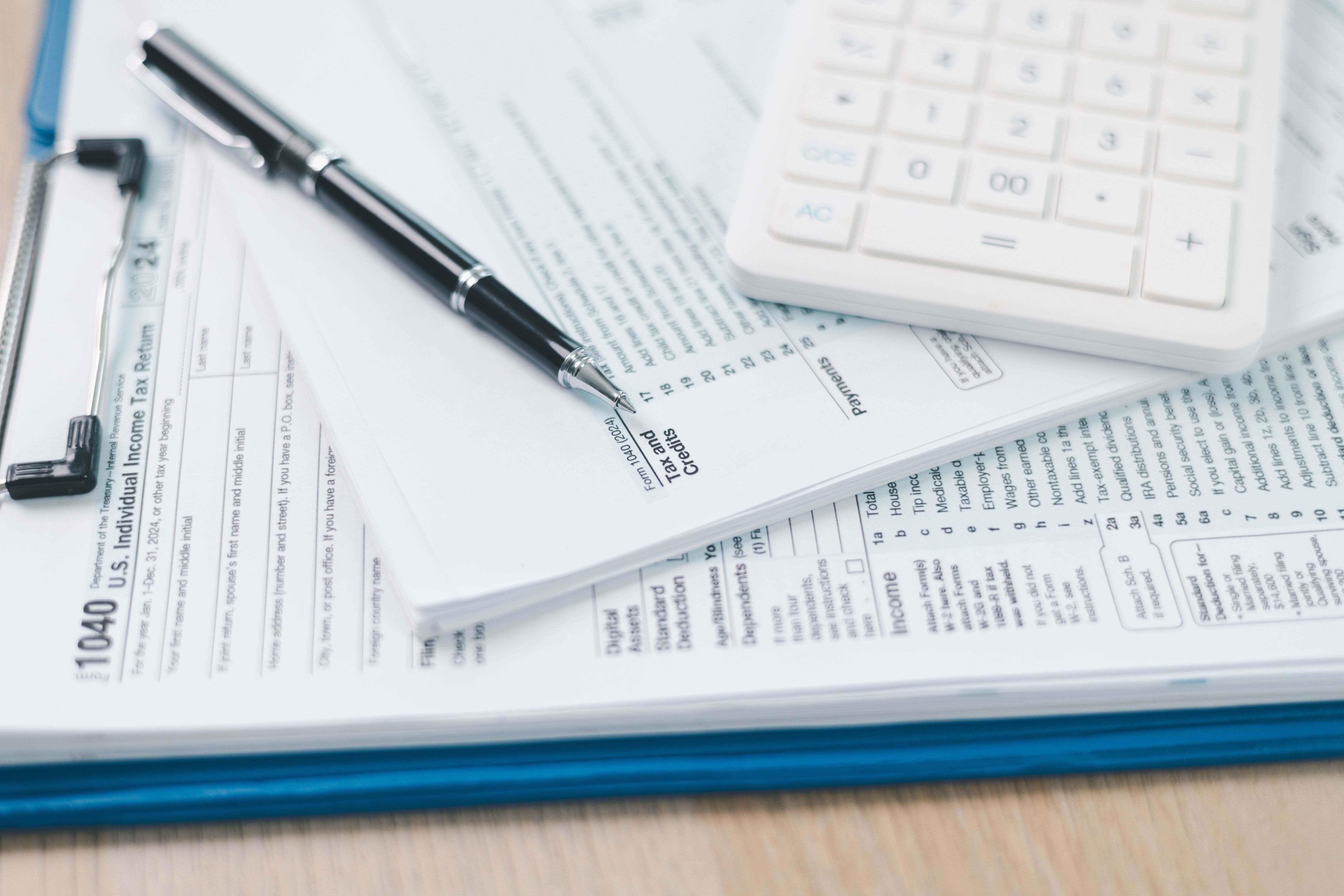
Payment Plans: A Step-by-Step Approach
One of the most common methods to settle back taxes is through payment plans, also known as installment agreements. These plans allow taxpayers to pay off their debt over time, easing the financial burden.
- Short-Term Payment Plan: This option is for those who can pay their debt in 120 days or less. There is no setup fee, but interest and penalties will continue to accrue until the balance is paid in full.
- Long-Term Payment Plan: Also known as an installment agreement, this plan is for those who need more than 120 days to pay. A setup fee is required, and payments can be made monthly.
Applying for a payment plan can often be done online, and it’s important to choose a plan that fits your financial situation to avoid default.
Offer in Compromise: Settling for Less
An Offer in Compromise (OIC) allows taxpayers to settle their tax debt for less than the full amount owed. This option is typically available to those who cannot pay their full tax liability or doing so would create a financial hardship.

The IRS considers several factors when evaluating an OIC application, including the taxpayer’s ability to pay, income, expenses, and asset equity. It’s important to note that not everyone qualifies for an OIC, and the application process can be detailed and time-consuming.
Eligibility and Application Process
To be eligible for an OIC, taxpayers must have filed all required tax returns and made any estimated tax payments for the current year. Additionally, taxpayers in an open bankruptcy proceeding are not eligible.
- Complete the necessary forms, including Form 656 and the Collection Information Statement.
- Submit the initial payment and application fee, unless you qualify for a low-income waiver.
- Await the IRS decision, which can take several months.

Benefits and Considerations
Both payment plans and an Offer in Compromise provide viable paths to resolving back taxes, but they come with distinct benefits and considerations. While payment plans allow for structured payments, an OIC can potentially reduce the overall tax liability.
Before proceeding with either option, it’s advisable to consult with a tax professional to ensure you choose the best strategy for your financial situation and comply with all IRS requirements.
Final Thoughts
Dealing with back taxes can be stressful, but understanding your options is the first step toward resolution. By exploring payment plans and the Offer in Compromise, taxpayers can find relief and work toward a fresh financial start. Remember, proactive communication with the IRS is crucial to avoid further complications.