Preparing for State Sales Tax Compliance: A Guide for California Businesses
SA
Understanding and complying with state sales tax can be a daunting task for many businesses, especially in a state as economically diverse as California. With its unique regulations and requirements, preparing for state sales tax compliance is essential to ensure your business runs smoothly and avoids any legal complications.
Understanding California Sales Tax
California imposes a sales tax on retail sales of tangible personal property. This means that if you sell physical goods, you need to be aware of the sales tax obligations. The state sales tax rate is currently 7.25%, but local jurisdictions can add their own taxes, which can significantly increase the total rate.
Registering for a Sales Tax Permit
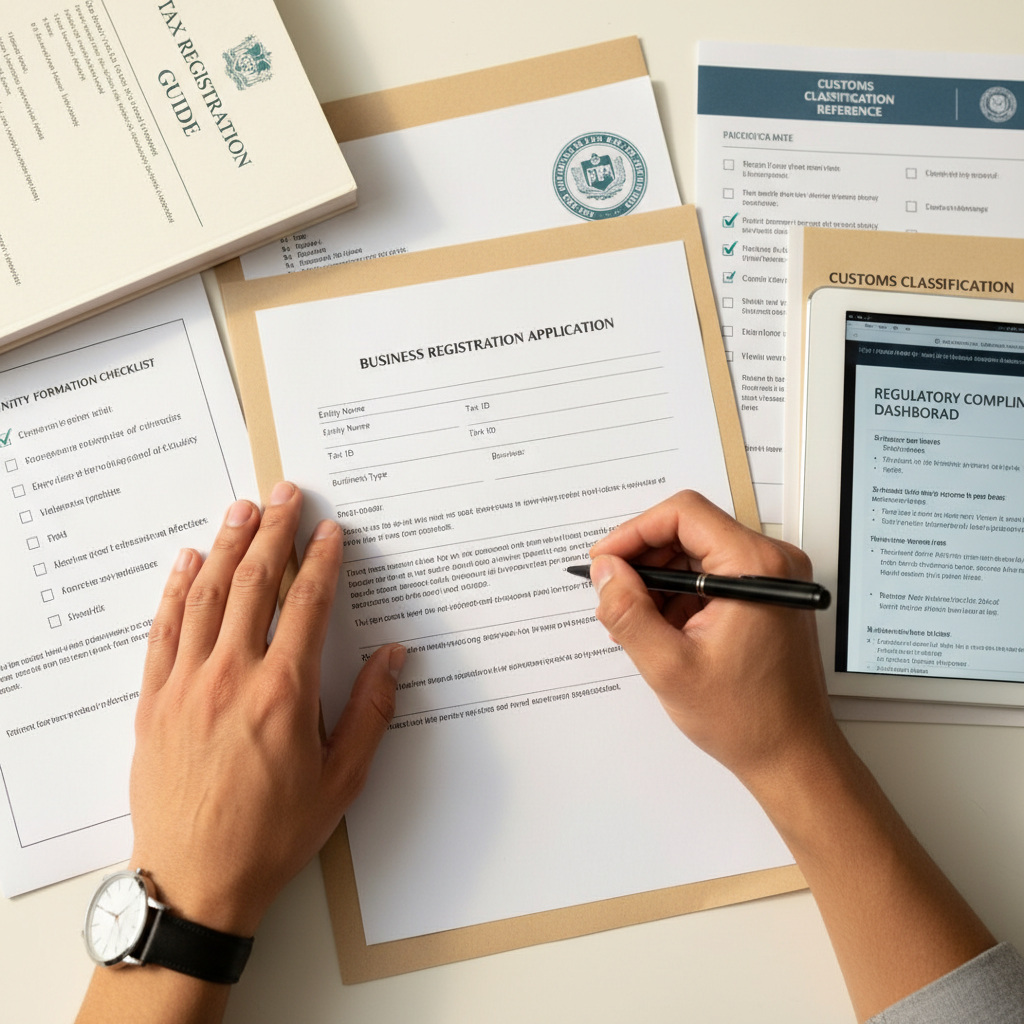
Before you start collecting sales tax, your business must register for a sales tax permit with the California Department of Tax and Fee Administration (CDTFA). This process is straightforward and can be done online. It's crucial to have your business information ready, including your business entity type, federal ID number, and bank account details.
Collecting Sales Tax
Once registered, you are responsible for collecting sales tax on all taxable retail sales. This includes both in-store and online sales. Make sure your point-of-sale systems are set up to calculate the correct sales tax rate based on the location of the sale. Remember, sales tax varies by locality, so accuracy is key.
Exemptions and Special Cases
Not all sales are subject to sales tax. For example, certain food products, medical devices, and sales to the U.S. government may be exempt. It's important to understand these exemptions and document them properly to avoid any issues during audits.

Filing Sales Tax Returns
California businesses must file sales tax returns periodically, usually quarterly or annually, depending on the volume of sales. The returns must be filed even if no sales tax was collected during the reporting period. The CDTFA provides an online portal for submitting these returns, making the process more efficient.
Keeping Accurate Records
Maintaining accurate and detailed records of all sales transactions is vital. This includes sales receipts, exemption certificates, and any other relevant documentation. Keeping organized records will not only help in filing your returns but also in the event of a sales tax audit.

Staying Informed and Updated
Sales tax laws and rates can change, so it's crucial to stay informed about any updates or modifications. Regularly check the CDTFA website or subscribe to newsletters that provide insights into California tax law changes. Consulting with a tax professional can also ensure your business remains compliant and up-to-date.
By understanding and actively managing your sales tax obligations, you can focus more on growing your business while ensuring compliance with California's sales tax laws. Proper preparation and regular updates are your best tools for navigating this essential aspect of business operations.