Navigating State Sales Tax: What Corona Businesses Need to Know
SA
Understanding State Sales Tax
For businesses in Corona, navigating state sales tax can be a complex yet essential task. With varying rates and regulations across different states, it’s crucial for business owners to stay informed and compliant. Understanding the basics of state sales tax will help your business avoid penalties and optimize financial management.

State sales tax is a consumption tax imposed by the government on the sale of goods and services. It is typically calculated as a percentage of the purchase price and is collected by the retailer at the point of sale. The collected tax is then remitted to the state, contributing to public services such as education and infrastructure.
Determining Tax Obligations
Nexus and Its Impact
The concept of "nexus" is fundamental in determining your state sales tax obligations. Nexus refers to the connection or presence a business has in a particular state, which can be triggered by physical locations, employees, or even significant sales volume. Understanding your business's nexus is essential for compliance.

Businesses with nexus in a state are required to register for a sales tax permit and collect sales tax on taxable sales in that state. It’s important to regularly review your business activities to ensure you’re meeting all nexus-related obligations.
Product and Service Taxability
Not all products and services are subject to sales tax. Each state has specific rules regarding what is taxable. Commonly, tangible personal property is taxable, while services can vary widely. For instance, digital products and software may be taxable in one state but not in another. Understanding these nuances is critical.
Managing Compliance Efficiently
Automating Sales Tax Collection
To streamline sales tax collection and reporting, consider using automated software solutions. These tools can help calculate the correct tax rate based on the buyer's location, reducing the risk of errors and ensuring compliance. Automation not only saves time but also enhances accuracy.
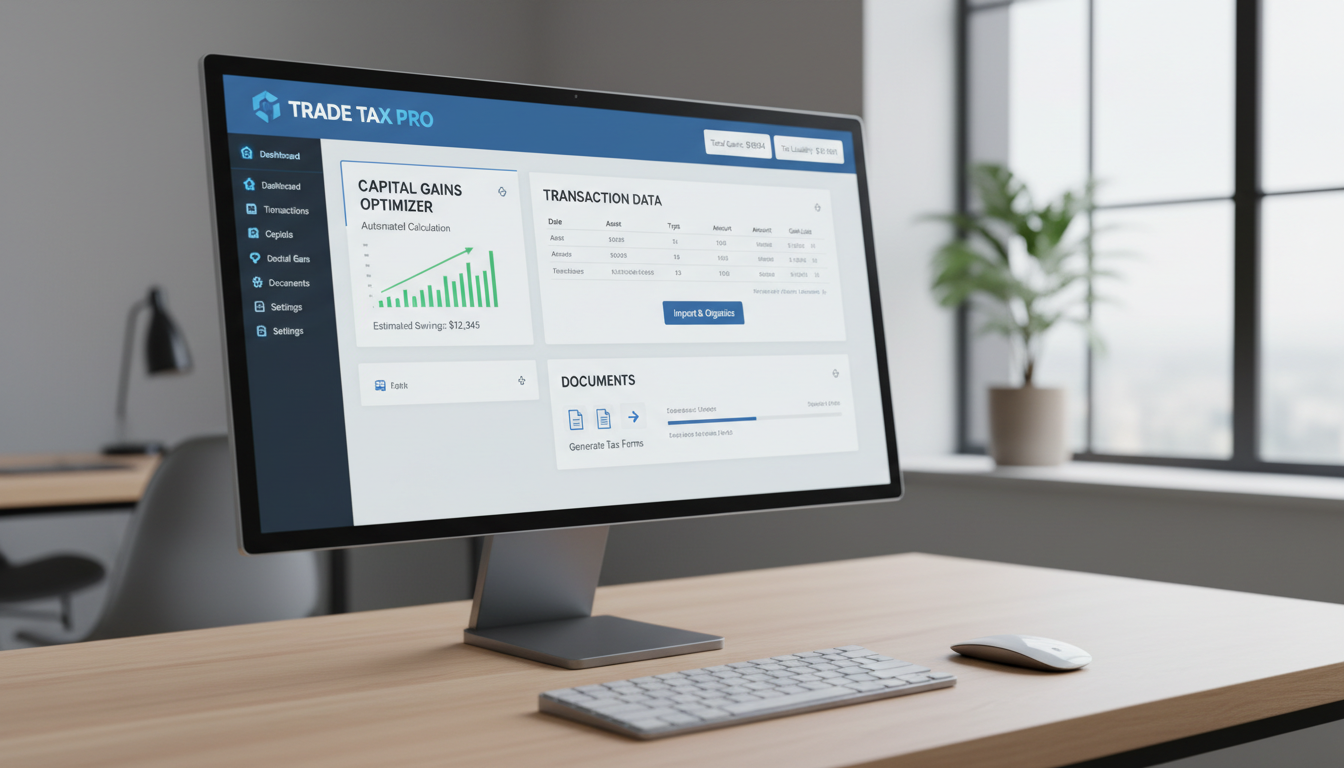
Popular software options offer features like real-time rate calculations, easy integration with e-commerce platforms, and comprehensive reporting capabilities. Choosing the right solution can greatly simplify your sales tax management.
Regular Audits and Updates
Staying compliant with state sales tax laws requires diligence. Regular audits of your sales tax processes can help identify discrepancies and areas for improvement. Additionally, keeping abreast of changes in tax laws and rates is vital, as states may adjust these periodically.
Consider subscribing to industry newsletters or consulting with a tax professional to stay informed. Proactive management of your sales tax responsibilities ensures your business remains in good standing with state authorities.
Conclusion
Navigating state sales tax is an ongoing process that demands attention and understanding. By mastering the concepts of nexus, product taxability, and leveraging automation, Corona businesses can efficiently manage their tax obligations. Prioritizing compliance not only avoids penalties but also positions your business for continued success.