
Navigating Payroll Management: Essential Tips for Small Businesses
SA
Understanding Payroll Management
For small business owners, managing payroll can often feel like a daunting task. However, it is a crucial aspect of running a successful business. Effective payroll management ensures that employees are paid accurately and on time, which boosts morale and productivity. Additionally, it helps maintain compliance with tax regulations and labor laws.
Setting Up Your Payroll System
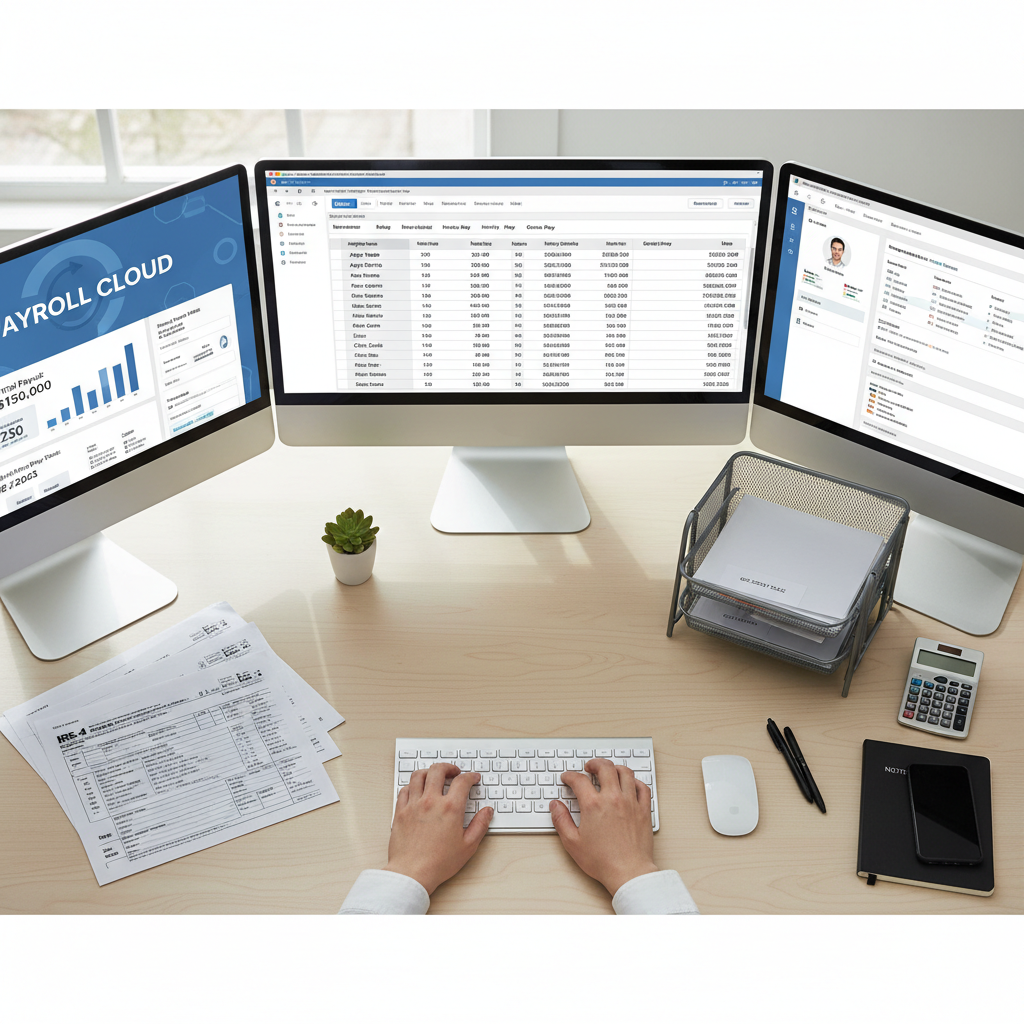
The first step in navigating payroll management is setting up a reliable payroll system. This involves selecting the right software or service that meets your business needs. Consider factors such as the number of employees, budget, and specific features like tax filing and direct deposit options. A good payroll system will save you time and reduce errors.
Once you have chosen a system, gather all necessary employee information. This includes Social Security numbers, tax withholding details, and bank account information for direct deposits. Ensuring accuracy at this stage is vital to prevent issues down the line.
Understanding Payroll Taxes
Payroll taxes are an essential component of payroll management. As an employer, you are responsible for withholding federal and state taxes from your employees' paychecks. Additionally, you must pay employer taxes such as Social Security, Medicare, and unemployment taxes. Familiarize yourself with these obligations to avoid penalties and fines.
It's important to stay updated on tax regulations, as they can change frequently. Consider consulting with a tax professional or using payroll software that automatically updates tax rates and regulations.
Creating a Payroll Schedule
Establishing a consistent payroll schedule is crucial for maintaining a smooth payroll process. Decide whether you will pay your employees weekly, bi-weekly, or monthly. Ensure that your schedule aligns with cash flow and business operations to prevent any disruptions.
Communicate the payroll schedule clearly to your employees. Consistent communication will help manage expectations and reduce confusion or dissatisfaction among your team.
Maintaining Compliance
Compliance with labor laws and tax regulations is non-negotiable in payroll management. Ensure that you adhere to minimum wage laws, overtime rules, and employee classification standards. Non-compliance can lead to costly legal issues and damage your business's reputation.

Stay informed about changes in employment laws and consider investing in training or resources to keep your team updated. Many payroll software solutions offer compliance management features to help you stay on track.
Handling Payroll Challenges
Despite careful planning, payroll challenges can still arise. Common issues include misclassifying employees, miscalculating hours, or experiencing software glitches. To address these challenges, establish a system for tracking employee hours accurately and ensure your payroll software is up-to-date.
When mistakes do occur, address them promptly and communicate openly with affected employees. Transparency builds trust and helps maintain a positive work environment.
Utilizing Professional Assistance
Managing payroll can be complex, especially as your business grows. If you find it overwhelming, consider outsourcing payroll to a professional service. This allows you to focus on core business activities while ensuring that payroll is handled accurately and efficiently.
Professional payroll services often provide additional benefits such as compliance assurance, detailed reporting, and personalized support, making them a worthwhile investment for many small businesses.