
Navigating Payroll Management: Best Practices for Small Businesses
SA
Managing payroll can be one of the most challenging aspects of running a small business. With various regulations to follow and employees relying on timely payments, it's crucial to have a solid payroll management system in place. Understanding the best practices can help ensure accuracy and efficiency.
Understanding Payroll Basics
Before diving into best practices, it's important to understand the basics of payroll. Payroll involves more than just issuing paychecks. It includes calculating wages, withholding taxes, and maintaining compliance with labor laws. By mastering these fundamentals, you can streamline your processes and avoid costly errors.
One key element is understanding the difference between employees and independent contractors. This classification affects tax withholdings and reporting requirements. Misclassifying workers can lead to penalties, so it's essential to get it right.
Implementing a Reliable Payroll System
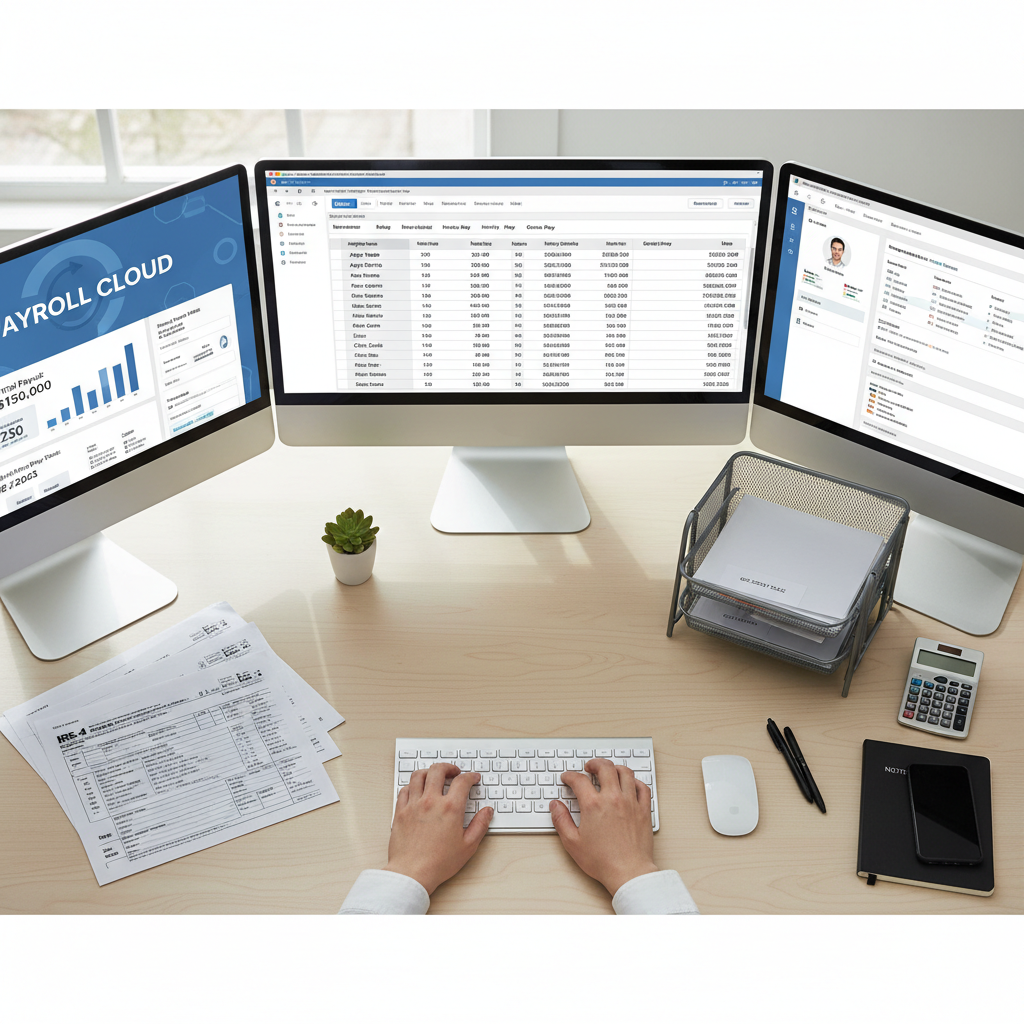
Investing in a reliable payroll system is a game-changer for small businesses. Whether you choose software or a service provider, the right system can automate calculations, ensure compliance, and reduce errors. Look for features such as direct deposit, automated tax filing, and employee self-service portals.
Many small businesses benefit from cloud-based solutions that offer flexibility and scalability. These systems are regularly updated to comply with changing regulations, providing peace of mind for business owners.
Maintaining Compliance with Regulations
Staying compliant with federal, state, and local payroll regulations is crucial. This includes adhering to minimum wage laws, overtime rules, and tax filing deadlines. Regularly review the laws in your area to ensure compliance and avoid penalties.

Consider consulting with a payroll expert or accountant to navigate complex regulations. These professionals can provide insights into specific requirements and help implement best practices tailored to your business.
Ensuring Accurate Record-Keeping
Accurate record-keeping is vital for payroll management. Keep detailed records of employee hours, wage rates, and tax withholdings. These records support compliance and provide documentation in case of audits or disputes.
Utilize digital tools to maintain organized and accessible records. Many payroll systems offer reporting features that can simplify this process, providing easy access to historical data.

Training and Communication
Training your team on payroll processes and maintaining open communication can enhance efficiency. Ensure that those involved in payroll understand the system and procedures. Regular training sessions can keep everyone updated on changes and best practices.
Clear communication with employees about payroll policies, such as payment schedules and deductions, can reduce confusion and build trust. Consider providing a detailed employee handbook that outlines these policies.
Regularly Reviewing and Updating Practices
Finally, regularly reviewing and updating your payroll practices is essential. As your business grows, your payroll needs may change. Conduct periodic audits to identify areas for improvement and implement necessary updates.
Staying proactive and adaptable ensures that your payroll management remains effective and compliant with ever-changing regulations. By following these best practices, small businesses can navigate payroll management successfully.