Back Taxes and Payment Plans: How to Resolve Your Tax Debts Effectively
SA
Understanding Back Taxes
Back taxes are taxes that have been partially or fully unpaid in previous years. They can become a significant burden if not addressed promptly. When you owe back taxes, the amount due can quickly increase due to interest and penalties imposed by the IRS or state tax agencies. Understanding your situation and taking action is crucial to avoid further complications.
Common Reasons for Back Taxes
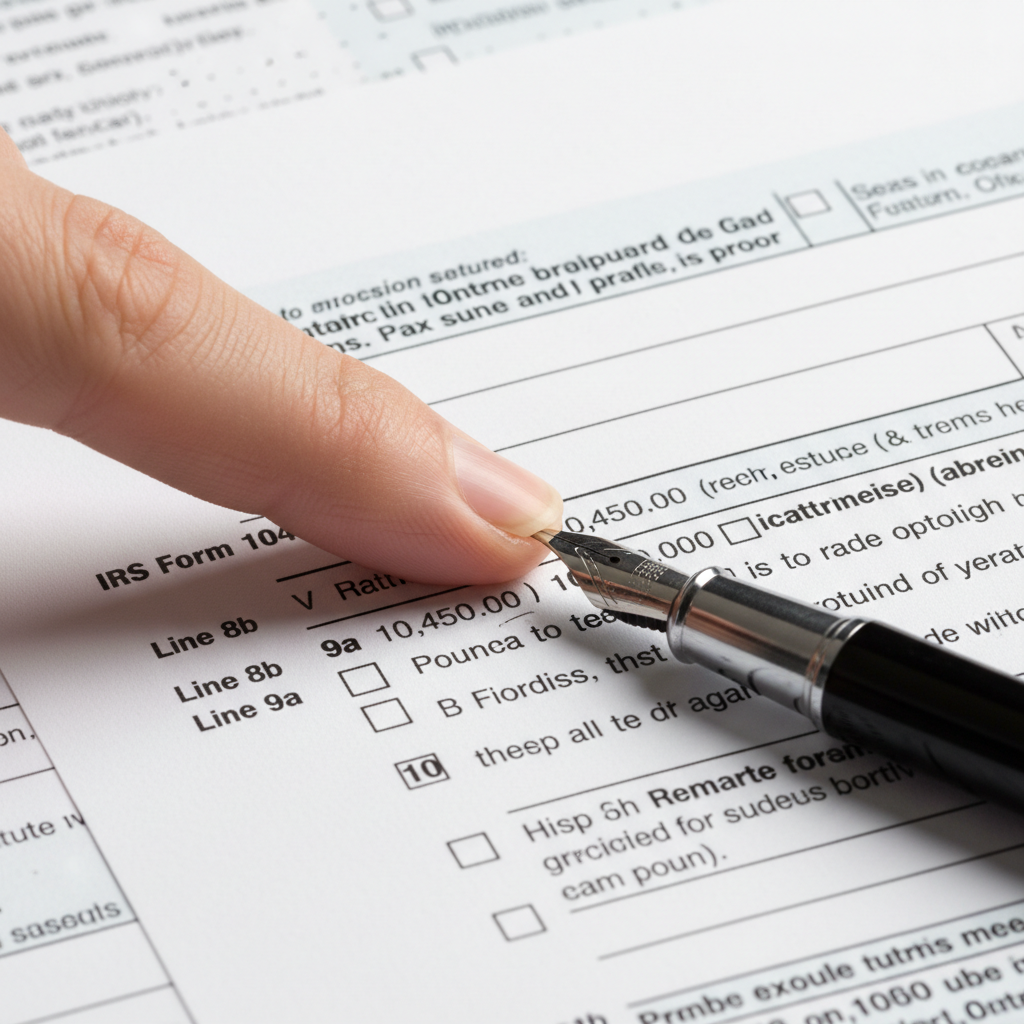
There are several reasons why individuals or businesses might owe back taxes. Common causes include underreporting income, failing to file a return, or errors in tax calculations. Sometimes, unexpected life events such as job loss or medical emergencies can lead to financial difficulties, making it challenging to pay taxes on time.
Exploring Payment Plan Options
If you're unable to pay your tax debt in full, the IRS offers several payment plan options. An Installment Agreement allows you to pay your debt over time. Depending on your financial situation, you might qualify for a short-term or long-term plan. It's essential to assess your budget and choose a plan that suits your needs.

Applying for an Installment Agreement
To apply for a payment plan, you can use the IRS's Online Payment Agreement tool or submit Form 9465. Make sure to provide accurate financial information to determine the best plan for you. Keep in mind that there are setup fees for long-term plans, and interest will continue to accrue on the outstanding balance.
Other Resolution Methods
If a payment plan isn't feasible, consider other options like an Offer in Compromise (OIC), which allows you to settle your tax debt for less than the full amount owed. This option is typically available to those who can prove that paying the full amount would cause financial hardship.

Eligibility for an Offer in Compromise
The IRS considers several factors to determine eligibility for an OIC, including your income, expenses, asset equity, and ability to pay. It's recommended to use the IRS's pre-qualifier tool to see if you meet the basic criteria before applying. Professional assistance from a tax advisor can also be beneficial in navigating this process.
Seeking Professional Assistance
Handling tax debts can be complex and overwhelming. Consider seeking help from a tax professional or a certified public accountant (CPA). These experts can provide tailored advice, help you understand your options, and even negotiate with the IRS on your behalf.

The Importance of Timely Action
Addressing back taxes quickly can prevent further financial strain. Ignoring the problem can lead to severe consequences, including wage garnishments, tax liens, or levies. Taking prompt action demonstrates to the IRS that you're committed to resolving your debts, which can be beneficial in negotiations.
By understanding your options and taking proactive steps, you can effectively manage and resolve your tax debts, securing your financial future.