Accelerated Depreciation and Cost Segregation: Boosting Your Business Tax Savings
SA
Understanding Accelerated Depreciation
Accelerated depreciation is a tax strategy that allows businesses to deduct the cost of an asset faster than the traditional straight-line method. This technique can significantly enhance cash flow by reducing taxable income in the short term. By front-loading depreciation expenses, businesses can reinvest the tax savings into growth opportunities.
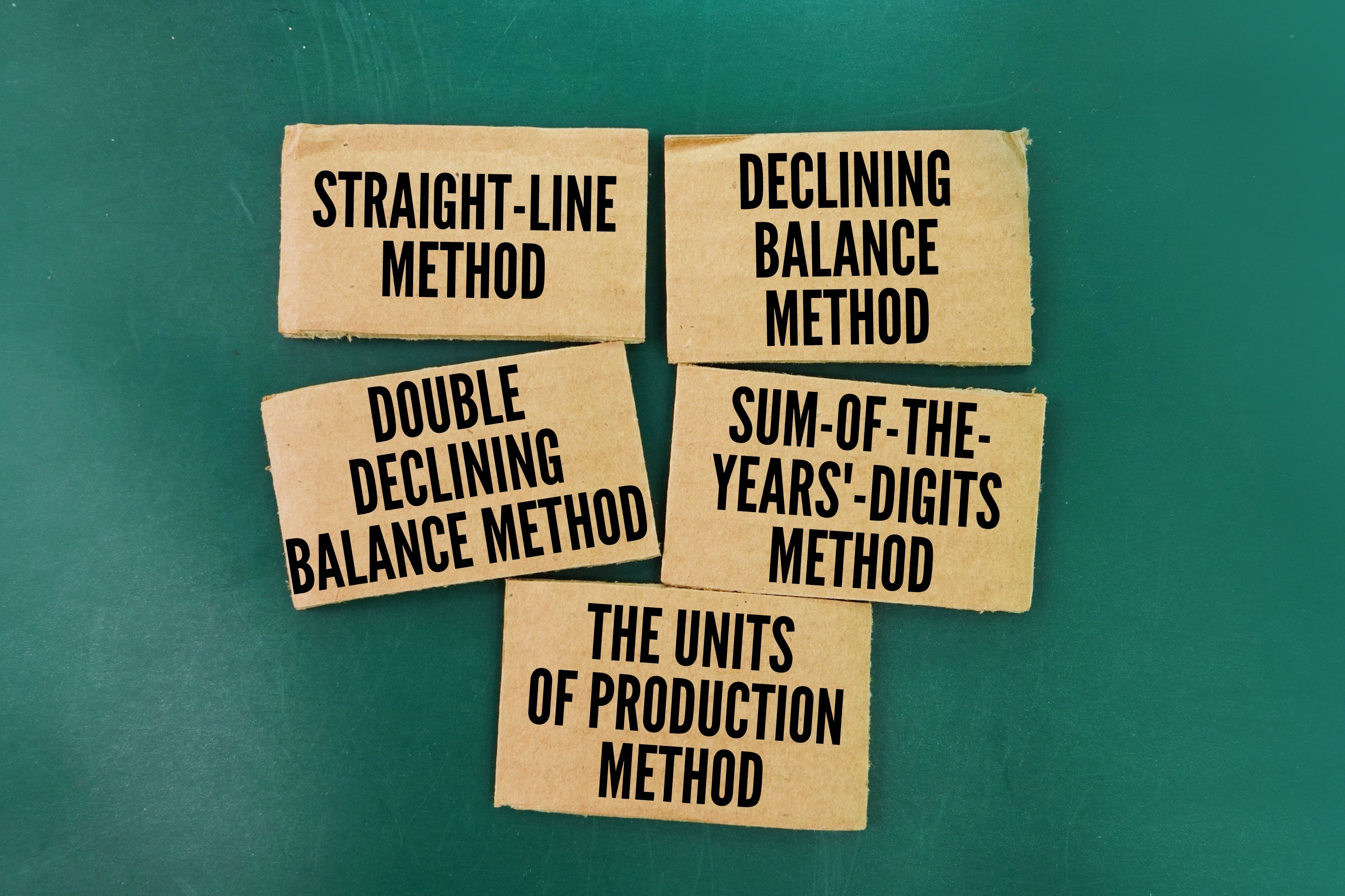
There are several methods of accelerated depreciation, including the Double Declining Balance and the Sum of the Years' Digits. These methods allow businesses to take larger depreciation deductions in the earlier years of an asset's life. This can be particularly beneficial for companies looking to quickly recover the cost of large capital investments.
The Role of Cost Segregation
Cost segregation is a powerful tool that complements accelerated depreciation. It involves breaking down a building or property into its individual components, such as electrical systems, plumbing, and fixtures. Each component is then depreciated over its specific useful life, which is often shorter than the building’s overall lifespan.

This strategy maximizes tax savings by allowing certain parts of a property to be depreciated faster. For example, while a building may be depreciated over 39 years, components like carpeting and lighting might be depreciated over 5 or 7 years. This results in substantial upfront tax savings.
Benefits of Combining Both Strategies
When accelerated depreciation and cost segregation are used together, businesses can achieve significant tax savings. By identifying and reclassifying assets, companies can reduce their tax burden and improve cash flow. This combination is especially beneficial for real estate investors and companies with significant property holdings.

One of the main advantages is the ability to free up cash that would otherwise be tied up in tax payments. This additional cash can be used for reinvestment, debt reduction, or operational improvements, fostering business growth and financial stability.
Steps to Implement These Strategies
To effectively implement accelerated depreciation and cost segregation, businesses typically follow these steps:
- Conduct a thorough analysis of existing assets and properties.
- Engage a professional cost segregation study to identify and reclassify assets.
- Apply the appropriate accelerated depreciation methods to eligible assets.
- Work with tax professionals to ensure compliance and maximize benefits.
Engaging experienced tax professionals and engineers is crucial to accurately determine which assets qualify for accelerated depreciation and cost segregation. Their expertise ensures that businesses adhere to IRS guidelines while optimizing tax savings.
Conclusion: Maximizing Tax Efficiency
Accelerated depreciation and cost segregation are essential strategies for businesses looking to enhance their tax efficiency. By understanding and leveraging these tools, companies can significantly reduce their tax liabilities and improve their financial position.
Ultimately, these strategies provide a competitive edge, allowing businesses to reinvest in growth and innovation. Whether you're a real estate investor or a business owner with substantial property assets, exploring these tax-saving opportunities can lead to substantial financial benefits.